Back to members
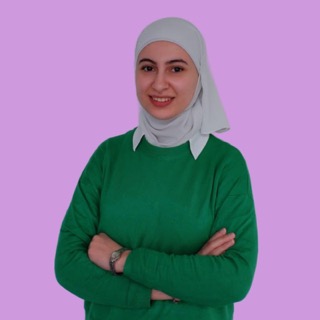
Sara Nabhani portrait
Oude Kijk in 't Jatstraat 26, Groningen s.nabhani@rug.nl
PhD

Sara Nabhani

PhD Researcher · University of Groningen

Sara Nabhani is a PhD researcher in Computational Linguistics at the University of Groningen. Her work connects natural language processing with computational argumentation, narrative analysis, persuasion, and propaganda detection, especially in Arabic and multilingual settings.

Natural Language Processing Computational Argumentation Computational Narratives Propaganda and Persuasion

Research profile

Argumentative and narrative structure in socially situated language.

Her research focuses on computational models of argumentative and narrative structure, with attention to persuasion, framing, propaganda, and discourse-level interpretation in socially important communication.

Her background combines computer science, data-science practice, and research-oriented NLP training, giving the work both technical depth and a strong connection to real-world language use.

Current themes

A concise view of the themes that shape the work.

Narrative and argumentative analysis Propaganda and persuasion Framing and rhetorical signals Arabic and multilingual NLP Data science and applied ML
This profile highlights the main public-facing themes and points to external research profiles for a fuller publication record.

Experience

Current academic role and research setting.

CurrentPhD Researcher · University of Groningen

PhD work in Computational Linguistics within ArgsBase Lab, focusing on argumentation, narratives, persuasion, and propaganda analysis.

Before PhDData Scientist · BlackRock

Professional data-science experience with NLP-related projects, large-scale data, and applied machine learning.

Graduate studyNatural Language Processing · Groningen and Malta

Research-oriented NLP training through the dual-university master's programme, combining computational methods with linguistic and societal perspectives.

Academic direction

A concise summary of the core research orientation.

Primary directions

  • Computational modeling of argumentative and narrative structures.
  • Analysis of persuasion, propaganda, and framing in Arabic and multilingual language use.
  • Applied NLP and machine-learning experience informed by a computer science background.
  • Work that connects NLP methods with broader discourse and communication questions.

Research context

  • Part of the group’s work on language, argumentation, and society.
  • PhD supervision connected to computational linguistics, narrative theory, and argumentation research.
  • Contributes to themes that span discourse structure, rhetorical intent, and real-world communication.

Methods and perspectives

The methodological lenses that organize the work.

  • NLP methods for modeling argumentative and narrative structure.
  • Qualitative and quantitative analysis of persuasion and propaganda signals.
  • Machine-learning workflows for multilingual and Arabic NLP.
  • Attention to framing, rhetoric, and discourse-level interpretation.

Current focus

Themes that connect the work to broader societal communication.

The work sits at the intersection of language technology and socially grounded discourse analysis, especially where persuasion and meaning-making matter.
Rhetorical analysis Discourse signals Public communication

Group context

Part of the group’s work on language, argumentation, and society.

  • Computational models of argumentation and narrative in language use.
  • Connections between persuasion analysis, discourse structure, and real-world communication.
  • Research situated within ArgsBase Lab at Groningen.